

Respiratory syncytial virus (RSV) vaccination coverage among older US adults remained low through the end of the 2024–25 respiratory virus season, according to a new study published in Vaccine. In 2024, the Advisory Committee on Immunization Practices recommended RSV vaccination for adults aged 60 to 74 years who are at increased risk of severe RSV and for all adults aged ≥75 years.
Analyzing data from approximately 64,000 adults surveyed from September 2024 through April 2025, researchers from the Centers for Disease Control and Prevention found that, by the end of the 2024–25 respiratory virus season, 38.3% of adults ages 60 to 74 who were at increased risk of severe RSV and 41.5% of those 75 and older had received an RSV vaccine.
Wide variation in coverage across states
Coverage varied widely by geography and demographic factors. Rates ranged from about 10% to roughly 60% across states and US territories, and were generally higher among those with higher incomes, more education, and no disabilities.
Coverage rates were also higher among those with health insurance, those who had the vaccine recommended by a health care provider, those concerned about getting RSV, and those who thought the vaccine was safe and important. White adults were more likely to be vaccinated than Black and Hispanic adults.
The findings suggest that improving provider outreach, addressing barriers to access, and public health engagement with community-based organizations, healthcare providers, and other trusted messengers can help build vaccine confidence and boost RSV vaccination rates.
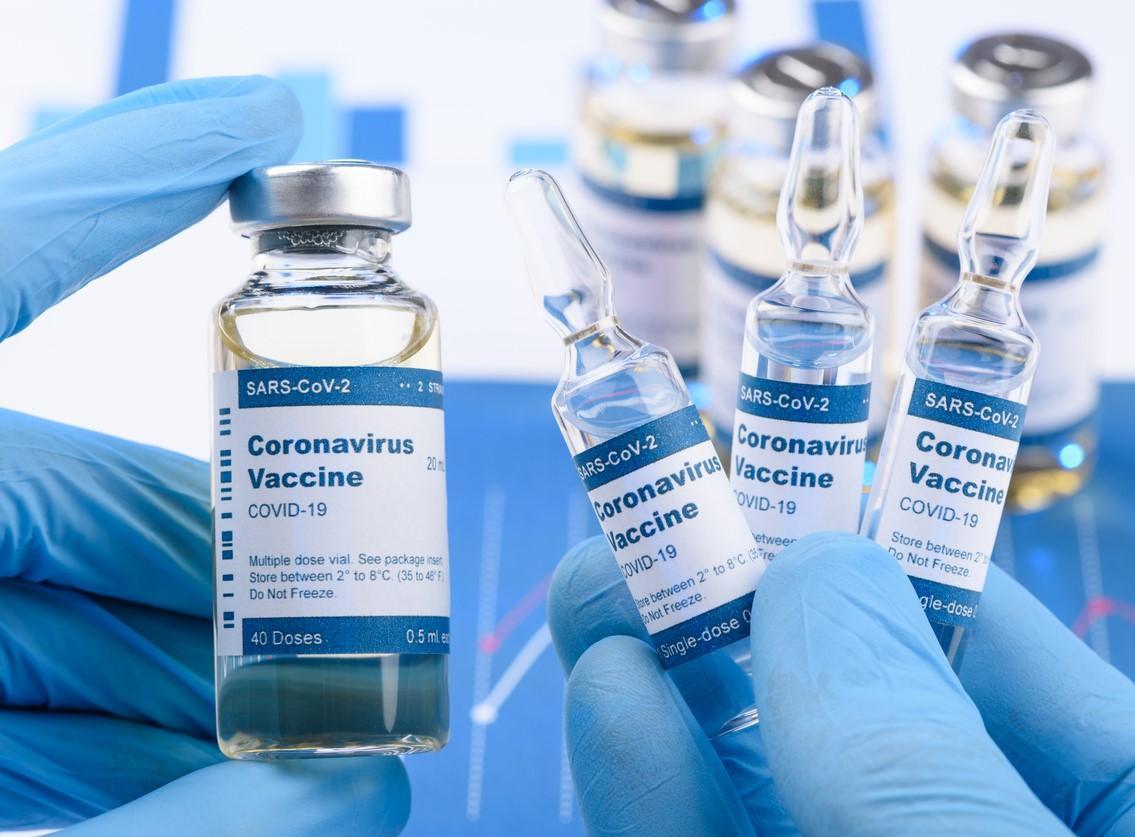
COVID-19 vaccination and boosting appeared to play an important role in protecting cancer patients against long COVID during the Omicron wave, researchers reported yesterday in JAMA Network Open.
In a retrospective cohort study that involved more than 76,000 cancer patients with high rates of vaccination and boosting in Singapore, a team led by researchers from Singapore’s Communicable Diseases Agency and Singapore General Hospital assessed the risk of long-COVID diagnosis and of symptoms compatible with long COVID among those infected with SARS-CoV-2 from January 1 through December 31, 2022, when the Omicron variant was prevalent. They compared the risk against noninfected cancer patients.
While research suggests immunocompromised cancer patients have a higher risk of long COVID than non-immunocompromised people do, previous studies reporting long-COVID sequelae in cancer patients were conducted primarily during pre-vaccination pandemic waves, the study authors noted.
“Emergence of milder Omicron variants and widespread vaccination may have altered long COVID risk,” they wrote.
No significant difference between infected, non-infected patients
Among the 76,807 patients in the study, 39,256 had SARS-CoV-2 infection and 37,551 were noninfected. The vast majority (93.2%) of all patients in the study had received booster doses of COVID-19 vaccines. No significant difference in long-COVID diagnosis or compatible symptoms was observed between infected and non-infected patients.
Although cancer patients who were hospitalized for COVID had a 36% higher risk of long-COVID diagnosis and a 48% higher risk of long COVID–compatible symptoms than non-infected patients, the overall incidence was modest, the authors noted, and the risks did not differ significantly from those associated with seasonal flu hospitalizations.
“These findings suggest that COVID-19 vaccination and boosting remain important in mitigating long COVID risk among immunocompromised patients with cancer during endemicity,” the authors concluded.

A rapidly expanding cluster of mpox caused by clade 1b virus has been identified among men who have sex with men (MSM) in Berlin, Germany, according to a rapid communication published last week in Eurosurveillance. Of the 35 identified cases from December 2025 to last month, 34 were most likely acquired locally.
The sharp increase in locally acquired infections marks a shift from historic patterns in which most mpox cases in Europe were largely travel-related. Clade 1b of the mpox virus (MPXV) was newly identified in the Democratic Republic of the Congo and several other countries in East and Central Africa in 2023.
No link between locally acquired cases and travel-related cases
The first clade 1b case in Berlin was reported in mid-December 2025, and it was linked to travel within Europe. Shortly after, in the first week of January 2026, Berlin’s first locally acquired clade 1b case was reported; epidemiologic investigations found no connection between the travel-related case and the locally acquired case.
Genetic sequencing of the locally acquired cases showed that they were genetically related, suggesting a shared transmission network. “These sequences from MSM-associated cases revealed a genetic cluster that differs from other German MPXV clade Ib sequences obtained from travel-associated cases and their household contacts from 2024 to 2025,” the authors wrote.
Berlin a ‘hotspot’ for transmission
Berlin has played a central role in mpox transmission in Europe. During an international outbreak of clade clade 2b in 2022, “Berlin represented a hotspot of epidemiological dynamics in Europe,” note the authors. In February 2026, several countries reported clade 1b infections linked to MSM sexual contact in the city.
The authors conclude that accessible testing, vaccination efforts, and continued genomic surveillance are essential to limit further spread in Germany and across Europe.
US measles cases top 1,500 as Texas outbreak grows