
Sampling on 14 California dairy farms positive for H5N1 avian influenza uncovers infectious virus in the air of milking parlors and wastewater, viral RNA in cows’ exhaled breath and milk, and antibodies in the milk of seemingly healthy cows, per a study published today in PLOS Biology.
A team led by Emory University researchers performed air, wastewater, and milk sampling on H5N1-positive dairy farms in two regions of California in 2024 and 2025. The findings, they said, highlight potential alternative sources and viral transmission modes on farms, as well as the presence of viral strains in air and wastewater that may be able to infect people.
“Highly pathogenic avian influenza (HPAI) H5N1 clade 2.3.4.4b B3.13 virus was first detected in dairy cattle in March of 2024 and has since spread to 16 states,” they wrote. “Transmission routes of highly pathogenic H5N1 between cows or to humans remain unclear due to limited data from affected dairy farms.”
Role of submicron and larger aerosols
In the first phase of the study on five farms, H5N1 viral RNA was found in milk tanks on farms before cows showed signs of illness. Of 71 air samples analyzed for H5N1 viral RNA, four from the milking parlor and two from cows’ exhaled breath tested positive.
Dairy parlors, which are often enclosed spaces and where aerosolization of milk occurs, pose the greatest threat from inhalation of the virus to dairy farm workers.
Additional surveillance performed on nine farms showed H5N1 viral RNA in 21 of 35 air samples. Particle-size analysis showed the particles generated in milking-parlor air were both submicron and larger aerosols; four samples contained infectious virus.
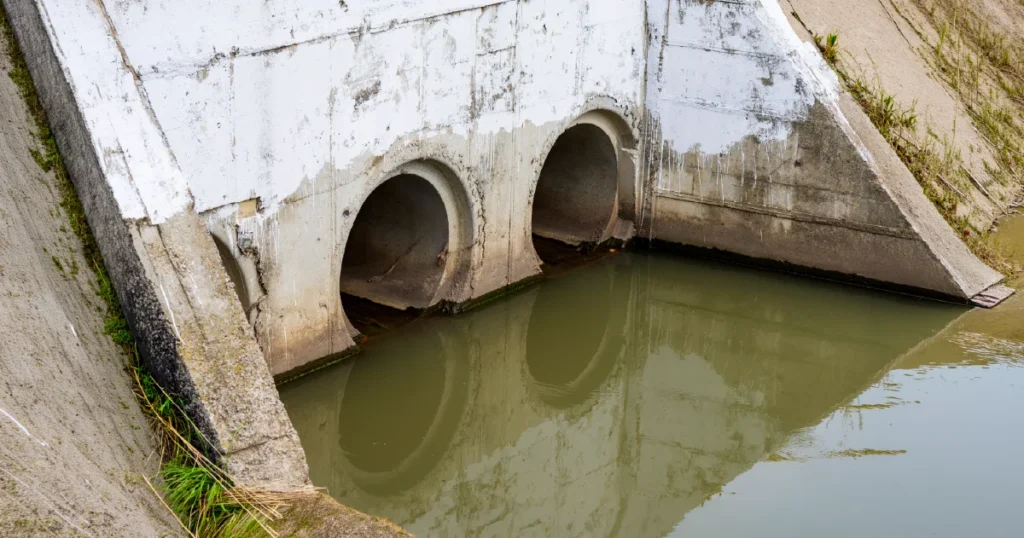
H5N1 viral RNA was detected throughout the wastewater stream, including in manure lagoons used by migratory birds and in fields with grazing cows. Two samples subjected to viral titration contained detectable infectious virus.
“Together, these results highlight the extensive environmental contamination of H5N1 on affected dairy farms and identify additional sources of viral exposure for cows, peridomestic wildlife, and humans,” the authors wrote. “Dairy parlors, which are often enclosed spaces and where aerosolization of milk occurs, pose the greatest threat from inhalation of the virus to dairy farm workers.”
- BioNTech announced today it would close sites in Germany and Singapore, affecting up to 1,860 jobs, and buy back up to $1 billion of its shares, as the COVID‑19 vaccine maker is transitioning away from pandemic-era manufacturing and prepares for a leadership transition. BioNTech, along with Pfizer, developed the mRNA COVID-19 vaccine Comirnaty. The German company said it would pivot from COVID-19 vaccines and focus instead on oncology therapies.
- The first confirmed detection of New World screwworm in the Mexican state of Coahuila has prompted Texas officials to issue a warning about agricultural risks in that state. “This screwworm detection in Coahuila is a serious wake-up call. New World screwworm has now been found only 119 miles from the Texas border—at roughly the same latitude as Zapata, Texas, and north and west of the Rio Grande Valley,” said Texas Agriculture Commissioner Sid Miller in a statement. The parasitic worm threatens cattle, horses, sheep, goats, wildlife, pets, and even humans. In the past year, Mexico has reported an increase in animal and human cases.
- The South Carolina Department of Public Health (DPH) has confirmed a second measles case in a Saluda County adult, which is related to the other case in the county reported April 17. These cases are not related to the Upstate outbreak that ended last month after 997 cases. “The first case was the result of international travel, and the second case was a known exposure of that case who had been in quarantine since April 17. No public exposures from this second case occurred. The individual’s vaccination history is unknown,” officials said. There are currently 39 people in quarantine through May 9. The second case-patient was diagnosed while in quarantine.
Two new studies by Veterans Affairs (VA) clinicians and researchers highlight how telemedicine can support antimicrobial stewardship programs at rural VA hospitals.
The studies, published yesterday in Infection Control & Hospital Epidemiology, describe recommendations, staffing, and workload associated with Videoconference Antimicrobial Stewardship Teams (VASTs), which connect rural VA medical centers (VAMCs) with limited access to stewardship specialists by video to an infectious disease (ID)-trained VA physician.
The program, expanded in 2021 after a pilot program proved successful, pairs eight ID specialists from large VAMCs with 10 rural VA hospitals for regularly scheduled meetings to discuss clinical cases.
In the first study, researchers reviewed the types of clinical cases discussed and the recommendations made during VAST meetings over the first 15 months of the partnerships. Of the 626 cases reviewed, the most common clinical syndromes discussed were respiratory (29%) and urinary tract (21%) infections. Of the 973 recommendations made, 71% were accepted within a week of the VAST meeting, including 80% of the 570 recommendations relating to antibiotics.
Interviews conducted with VAST participants revealed that positive communication, the collaborative nature of the format, and the time provided for discussion of recommendations helped build trust and contributed to the acceptance of recommendations.
“The results indicate that VASTs have been successful in supporting Antimicrobial Stewardship activities at VAMCs that do not have ID-trained physicians or pharmacists on staff,” the study authors wrote.
Format is cost-effective
In the second study, the same VA researchers assessed workload estimates based on the time the ID consultants and antimicrobial stewardship champions at rural VAMCs were allocated to VAST activities. While they identified some opportunities to improve workflow efficiency, they found, overall, that the approach was cost-effective and sustainable.
The authors say future work will assess outcomes associated with VASTs and aim to identify which aspects of the program are associated with successful stewardship efforts.