Introduction
Every economy runs on water, even when that connection is hidden. The importance of Water Powers Economies can be seen in factories, farms, power plants, shipping routes, hospitals, tourism, and technology production. Without reliable water systems, modern civilization would struggle to produce food, generate energy, manufacture goods, and support daily life.
World Water Week reminds us that water is not only a natural resource but also an economic engine. From irrigated agriculture to hydropower, cooling systems, mining, transportation, and industrial processing, water supports nearly every sector of development. Yet growing water scarcity, pollution, and climate-related disruption are making this resource more uncertain in many regions.
How does Water Powers Economies shape the future of development, resilience, and sustainability?
Water Powers Economies Through Agriculture
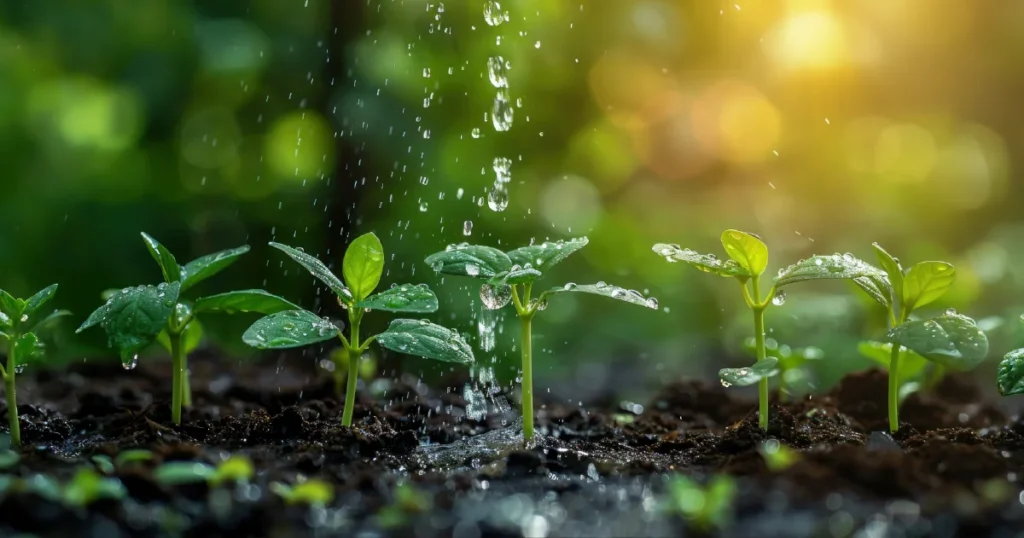
Agriculture remains one of the most water-dependent sectors in the world. Crops require rainfall, irrigation, soil moisture, and reliable freshwater systems to support food production.
Research shows that water availability plays a central role in agricultural productivity and food security [1]. When droughts reduce water supplies, harvests may decline, food prices may rise, and rural livelihoods may become more vulnerable.
Efficient irrigation, improved soil management, and climate-resilient farming practices are therefore essential for protecting both food systems and economic stability.
Industry Depends on Water
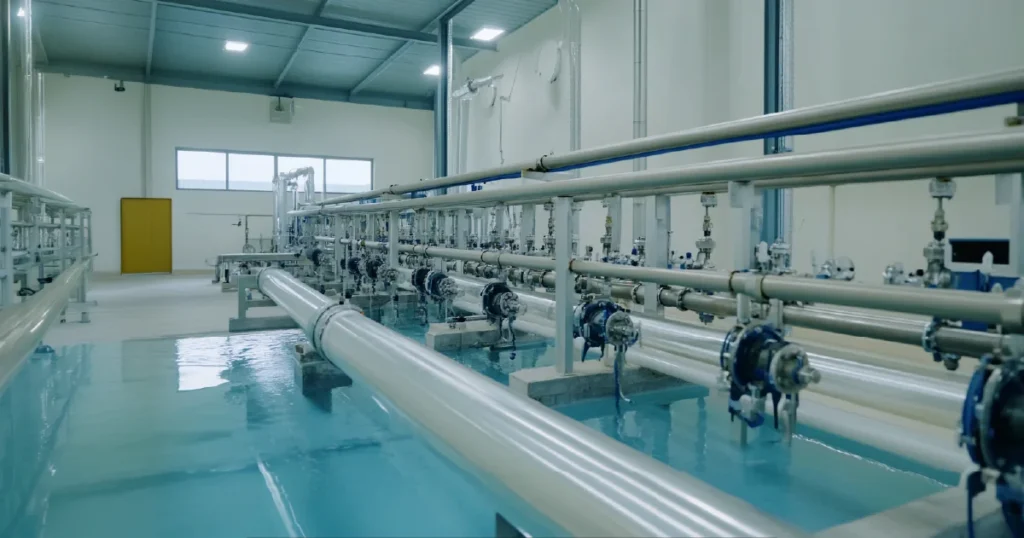
Water is also essential for industry. Manufacturing uses water for cooling, cleaning, processing, and producing materials such as textiles, electronics, paper, chemicals, and metals.
Global research on water risk shows that industrial activity can be disrupted when freshwater supplies become unreliable or polluted [2]. Water shortages may delay production, increase operating costs, and affect supply chains across multiple sectors.
As economies grow, industries increasingly need smarter water management systems that reduce waste and protect long-term resource availability.
Energy Production and Water Demand
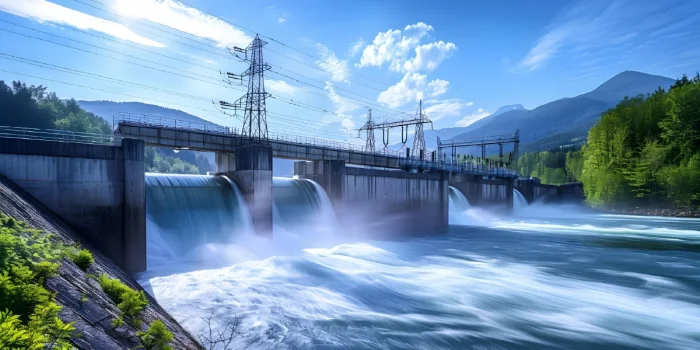
Energy and water are closely connected. Hydropower depends directly on river systems, while thermal power plants often require large volumes of water for cooling. Renewable technologies also rely on water at different stages of production and maintenance.
Studies show that energy systems and water systems are deeply linked, creating what researchers call the water-energy nexus [3]. Droughts can reduce hydropower generation, limit cooling water availability, and increase pressure on electricity systems.
Strengthening water planning is therefore critical for future energy resilience.
Trade, Cities, and Economic Growth
Water supports transportation, tourism, urban development, and international trade. Rivers, canals, and ports help move goods across regions, while cities depend on water infrastructure to support homes, businesses, hospitals, and schools.
When water systems fail, the economic effects can be immediate. Floods damage infrastructure, droughts reduce productivity, and contamination can increase healthcare costs.
Economic development depends not only on access to water but also on the ability to manage it safely, efficiently, and fairly.
A One Health Perspective
The concept of Water Powers Economies aligns with the One Health approach because water connects environmental, human, and animal health.
Healthy water systems support food production, sanitation, ecosystems, livestock, fisheries, and community well-being. When water becomes scarce or polluted, the effects can spread across public health, agriculture, biodiversity, and economic systems.
Integrated water management helps protect natural resources while supporting more resilient communities and economies. One Health reminds us that economic progress cannot be separated from the health of the water systems that sustain life.
Conclusion
Water is one of the most powerful economic forces on Earth. The idea that Water Powers Economies reveals how deeply modern society depends on rivers, aquifers, wetlands, rainfall, and clean water infrastructure.
As climate change and resource pressures intensify, water security will become increasingly important for agriculture, industry, energy, trade, and public health. Protecting water systems is not only an environmental priority but also an economic necessity.
World Water Week reminds us that the future of prosperity depends on how wisely societies manage the resource behind civilization itself.
References
- Molden, D. ed., 2007. Water for Food, Water for Life: A Comprehensive Assessment of Water Management in Agriculture. London: Earthscan.
https://doi.org/10.4324/9781849773799 - World Bank, 2016. High and Dry: Climate Change, Water, and the Economy. https://doi.org/10.1596/K8517
- Scanlon, B.R. et al., 2017. The food-energy-water nexus: Transforming science for society. Water Resources Research, 53(5), pp.3550–3556.
https://doi.org/10.1002/2017WR020889 - World Bank, 2017. Reducing Inequalities in Water Supply, Sanitation, and Hygiene in the Era of the Sustainable Development Goals.
https://doi.org/10.1596/27831