Introduction
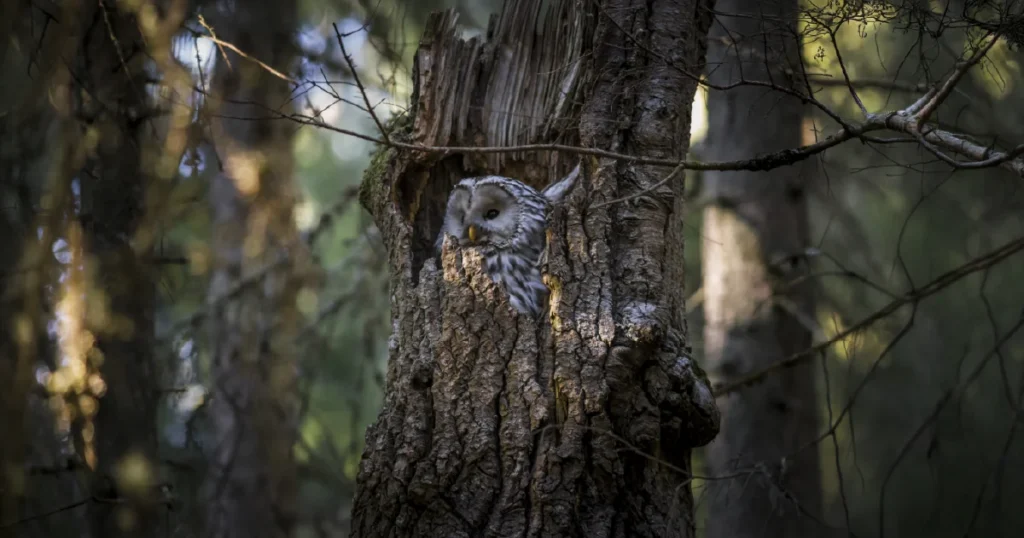
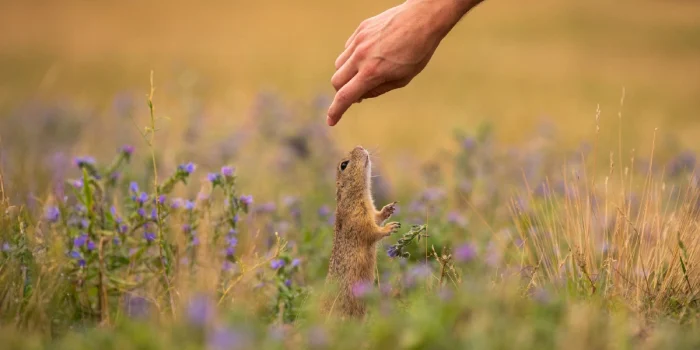
Every December 4, World Wildlife Conservation Day reminds us that protecting nature means protecting ourselves. Wildlife Conservation & Global Health are inseparable—the health of people, animals, and ecosystems form a single, interconnected web.
Wildlife ensures ecosystem stability, disease control, and climate regulation, yet species loss and habitat destruction are accelerating due to human activity.
The One Health approach, recognizing the unity of biological and environmental systems, provides a science-based path forward. When we conserve wildlife, we defend both planetary and public health.
Can we truly achieve global health without protecting the wild systems that sustain it?
The Global Importance of Wildlife Conservation
More than one million species are at risk of extinction because of human actions, according to the Intergovernmental Science-Policy Platform on Biodiversity and Ecosystem Services (IPBES) [1].
Wildlife maintains essential ecosystem services—pollination, water purification, and soil regeneration—that directly sustain human survival. When these systems decline, communities face food insecurity, disease outbreaks, and economic instability.
Deforestation, mining, and urbanisation also bring humans into closer contact with wild species, increasing zoonotic spillover risks [2]. Protecting habitats isn’t only about saving animals—it’s a frontline strategy against future pandemics.
Wildlife Conservation & Global Health: A Shared Responsibility
In the One Health context, conserving wildlife is a core public health intervention. Wild species serve as sentinels for environmental degradation and early indicators of emerging pathogens.
For example, amphibian population declines often signal pollution or climate imbalance [3], while migratory bird shifts can foreshadow disease patterns that threaten human health.
Biodiversity is also a foundation for medicine. Natural compounds derived from wild plants and animals have produced treatments for cancer, diabetes, and infections [4].
Every species lost narrows the world’s potential for healing. Integrating conservation with global health systems allows for early detection, prevention, and innovation.
Technology and Innovation in Modern Conservation
Advanced technology now drives wildlife protection. Artificial intelligence, drones, and satellite tracking provide real-time insights into population dynamics and habitat threats [5].
AI-powered acoustic sensors monitor forests for gunshots or chainsaw sounds, helping stop poaching in progress. Genetic mapping reveals illegal trade routes, while open data platforms make wildlife information accessible to local communities and scientists alike.
Merging technology with One Health principles enhances surveillance efficiency, linking biodiversity databases with human and veterinary health systems to identify and address risks faster.
Community Action and Global Policy
Wildlife protection succeeds only when people benefit from conservation. Community-led initiatives create sustainable livelihoods through eco-tourism, agroforestry, and wildlife-friendly farming [6].
Policies must combine local empowerment with international frameworks like the Convention on International Trade in Endangered Species (CITES) and the Kunming–Montreal Global Biodiversity Framework (2022) [7].
Governments, NGOs, and citizens each play a part: enforcing protections, funding restoration, and supporting ethical consumption. These cooperative steps align biodiversity conservation with economic stability and climate resilience.
A One Health Approach
A One Health Approach recognises that human, animal, and environmental wellbeing are inseparable. Healthy wildlife populations regulate ecosystems, control vectors, and maintain the balance of nature.
When ecosystems collapse, diseases emerge, food sources dwindle, and water cycles destabilise. By embedding wildlife conservation into health systems, countries strengthen disease surveillance, improve climate adaptation, and enhance food security simultaneously.
This approach promotes cross-sector collaboration—linking veterinarians, ecologists, medical professionals, and policymakers. Through shared data, joint fieldwork, and unified goals, One Health transforms conservation from a niche concern into a global imperative for sustainable development.
Conclusion
World Wildlife Conservation Day is a call to reconnect human wellbeing with ecological balance.
By embracing Wildlife Conservation & Global Health, nations and communities can align public health, environmental protection, and sustainable development under one unified goal.
Protecting wildlife is not charity—it’s prevention, innovation, and survival. Every species safeguarded, every forest restored, and every partnership forged strengthens the global foundation for a healthy, sustainable future.
References
- Intergovernmental Science-Policy Platform on Biodiversity and Ecosystem Services (IPBES) (2019) Global Assessment Report on Biodiversity and Ecosystem Services. Bonn: IPBES Secretariat.
- United Nations Environment Programme (2020) Preventing the Next Pandemic: Zoonotic Diseases and How to Break the Chain of Transmission. Nairobi: UNEP.
- World Health Organization (2023) One Health Joint Plan of Action (2022–2026). Geneva: WHO.
- Convention on Biological Diversity (2021) Value of Biodiversity in Human Health. Montreal: CBD Secretariat.
- World Wide Fund for Nature (2024) Wildlife Crime Technology Project. Gland: WWF International.
- Food and Agriculture Organization (2023) Community-Based Conservation for Sustainable Livelihoods. Rome: FAO.
- United Nations (2022) Kunming–Montreal Global Biodiversity Framework. New York: UN Environment Programme.