Introduction
Some of the most significant infectious disease outbreaks in modern history have shared a common characteristic: they originated in animals before spreading to humans. The importance of Zoonotic Disease Prevention has become increasingly clear as scientists continue to study how diseases move between wildlife, livestock, domestic animals, and human populations. From rabies and avian influenza to Ebola and COVID-19, zoonotic diseases have shaped public health systems, economies, and global preparedness efforts.
World Zoonoses Day commemorates the successful administration of the first rabies vaccine by Louis Pasteur in 1885, a milestone that transformed infectious disease prevention. Today, zoonotic diseases account for approximately 60% of known infectious diseases in humans and around 75% of emerging infectious diseases worldwide [1]. As environmental change, urban expansion, and global travel continue to reshape interactions between people and animals, understanding zoonotic risks has become more important than ever.
How can stronger Zoonotic Disease Prevention strategies help reduce the risk of future outbreaks?
Zoonotic Disease Prevention and Emerging Infections
Zoonotic diseases occur when pathogens such as viruses, bacteria, parasites, or fungi are transmitted between animals and humans. These diseases can emerge through direct contact with animals, contaminated food, insect vectors, or environmental exposure.
Scientific evidence shows that most emerging infectious diseases have animal origins [2]. As human populations expand into wildlife habitats, opportunities for pathogen spillover increase. Changes in land use, agricultural practices, and ecosystem disruption can create conditions that facilitate disease emergence.
Preventing outbreaks often begins long before human cases are detected.
Wildlife, Ecosystems, and Disease Risk
Healthy ecosystems can play an important role in reducing disease transmission risks. Biodiversity influences interactions among species and can affect how pathogens circulate within animal populations.
Research suggests that environmental disruption and habitat loss may increase opportunities for zoonotic disease emergence by altering wildlife behaviour and increasing contact between animals and people [3]. Deforestation, land conversion, and ecosystem fragmentation continue to reshape these interactions in many regions of the world.
Protecting ecosystems is therefore an important component of disease prevention efforts.
The Role of Climate Change
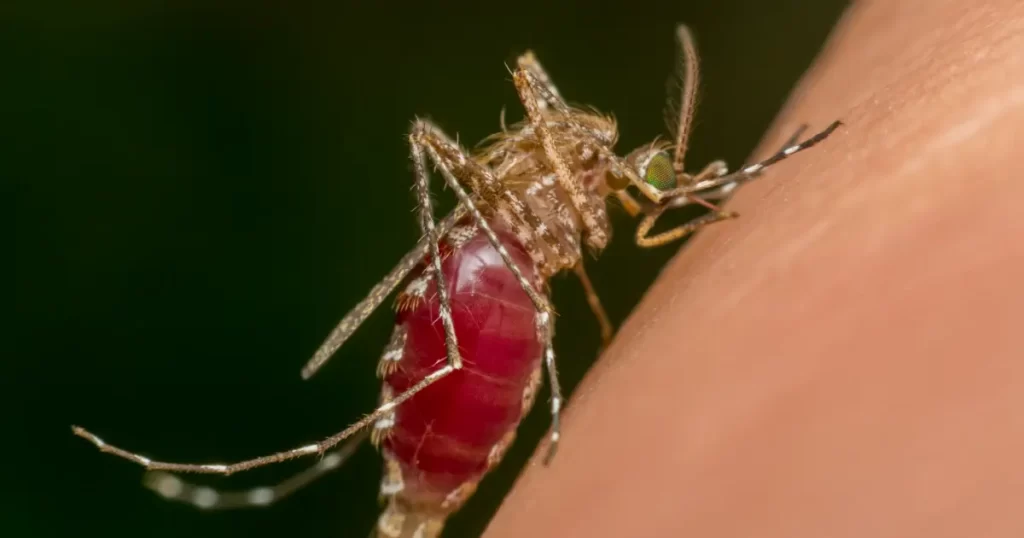
Climate change is influencing disease patterns by affecting wildlife distribution, insect vectors, and environmental conditions. Rising temperatures and changing rainfall patterns may expand habitats suitable for disease-carrying mosquitoes, ticks, and other vectors.
Scientists continue to examine how climate-related environmental changes may influence future zoonotic disease risks [4]. While climate change is rarely the sole cause of disease emergence, it can create conditions that increase transmission opportunities and complicate outbreak control efforts.
Monitoring environmental change is becoming an increasingly important part of public health preparedness.
Surveillance as the First Line of Defense
Early detection remains one of the most effective tools for preventing large-scale outbreaks. Disease surveillance programs monitor animal populations, environmental conditions, and human health indicators to identify emerging threats before widespread transmission occurs.
Modern surveillance systems increasingly use genomic sequencing, artificial intelligence, and international data-sharing networks to track disease patterns. These technologies allow scientists and public health agencies to respond more quickly when unusual disease events are detected.
Strengthening surveillance capacity remains essential for reducing the impact of future outbreaks.
A One Health Perspective
The concept of Zoonotic Disease Prevention is central to the One Health approach, which recognises the interconnected relationship between human, animal, and environmental health.
Disease emergence rarely occurs in isolation. Wildlife health, livestock management, environmental conditions, and human activity all influence outbreak risk. Addressing these factors through integrated planning can improve prevention, preparedness, and response efforts.
One Health promotes collaboration across veterinary medicine, public health, environmental science, and policy sectors to reduce the conditions that allow zoonotic diseases to spread.
Conclusion
World Zoonoses Day reminds us that preventing outbreaks often begins long before the first human case appears. The importance of Zoonotic Disease Prevention continues to grow as environmental change, population growth, and global connectivity reshape disease risks worldwide.
Scientific research shows that surveillance, ecosystem protection, climate awareness, and cross-sector collaboration all contribute to stronger outbreak prevention strategies. While zoonotic diseases cannot be eliminated entirely, many risks can be reduced through proactive action and informed decision-making.
Protecting human health increasingly depends on understanding and protecting the health of animals and the environments we share.
References
- World Health Organization (WHO), 2023. Zoonoses. Available at:
https://www.who.int/news-room/fact-sheets/detail/zoonoses - Jones, K.E. et al., 2008. Global trends in emerging infectious diseases. Nature, 451, pp.990–993.
https://doi.org/10.1038/nature06536 - Gibb, R. et al., 2020. Zoonotic host diversity increases in human-dominated ecosystems. Nature, 584, pp.398–402.
https://doi.org/10.1038/s41586-020-2562-8 - Carlson, C.J. et al., 2022. Climate change increases cross-species viral transmission risk. Nature, 607, pp.555–562.
https://doi.org/10.1038/s41586-022-04788-w