Over the weekend, New York City health officials confirmed three deaths associated with a Legionella outbreak linked to cooling towers in Manhattan’s Upper East Side.
As of yesterday, there were 74 cases of Legionnaires’ disease in the Upper East Side neighborhoods of Carnegie Hill and Yorkville. Of the 74, eight people are currently hospitalized, 51 have been discharged, 12 are not hospitalized, and three have died from their infections.
According to the New York Times, at least two of the patients who died were elderly, which is a risk factor for severe Legionnaires’ disease.
Cases on the decline
Despite the news of the deaths, cases associated with the outbreak are declining.
“We have not identified anyone with new symptoms for more than a week, and we are not seeing any concerning trends in emergency department surveillance data,” said Alister F. Martin, MD, the city’s health commissioner.
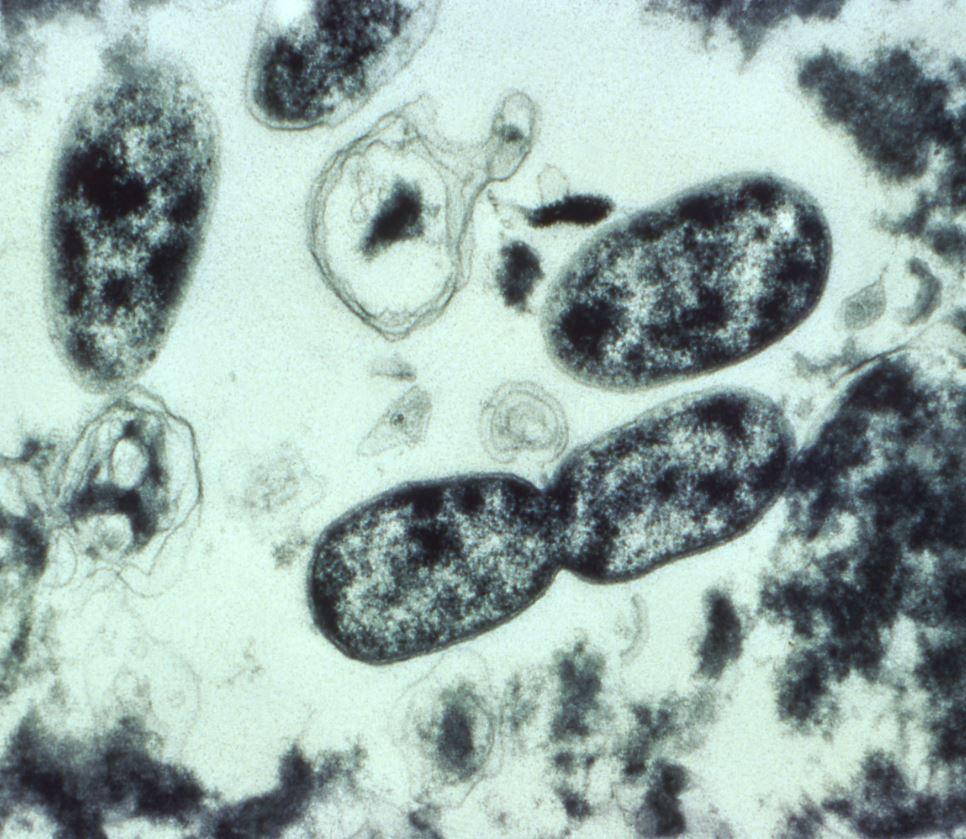
Legionnaires’ disease is a severe form of pneumonia caused by the Legionella bacteria, which can be inhaled through vapor and mist. Outbreaks tend to peak in the summer, when cooling towers (used in air conditioning) are in frequent use.
New York officials reminded residents of the Upper East Side that they can continue to drink tap water, bathe, shower, cook, and use their air conditioner at home.
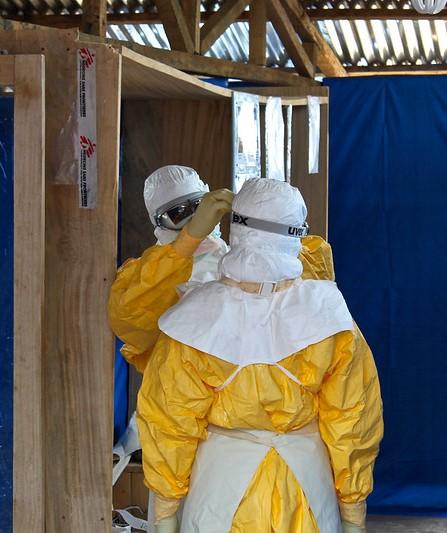
At least 930 people have now died in the Ebola outbreak in the Democratic Republic of the Congo (DRC), with 37 new deaths recorded in 24 hours over the weekend. Congolese health officials said there were 2,344 cases confirmed as of Saturday.
Officials said 724 patients were currently isolated and being monitored in hospitals.
In a new report on the outbreak of Bundibugyo Ebola virus, the World Health Organization the crude case fatality rate of the outbreak is now 39%.
Ituri remains the most affected province, accounting for 89.6% of all confirmed cases and 83.6% of all reported deaths, with Bunia as the epicenter of virus activity Case-contact follow up rate sin Ituri are 78.1%.
“Security incidents affecting health facilities, have created additional operational challenges in affected provinces, including restricted access for response teams, disruption of surveillance and response activities and an increased risk of undetected transmission,” the WHO said. “These conditions underscore the need for response efforts to be led by local leaders and anchored in communities.”