Introduction
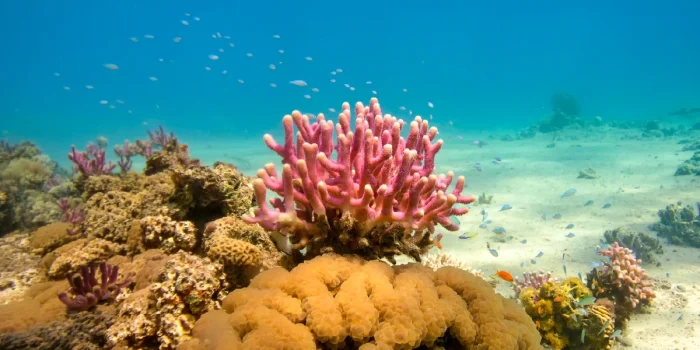
Beneath the ocean’s surface lies a world so vibrant and diverse that it can be seen from space. Coral reefs, often called the “rainforests of the sea,” occupy less than 1% of the ocean floor yet support nearly 25% of all marine species. Today, however, Living Ocean Reefs are facing unprecedented challenges as warming oceans, pollution, and environmental pressures threaten some of Earth’s most extraordinary ecosystems.
Coral Reef Awareness Week offers an opportunity to look beyond the stunning photographs and colorful marine life often associated with reefs. Scientists are increasingly warning that coral reefs are becoming one of the most visible indicators of environmental change. What happens to coral reefs may ultimately reveal what happens to the broader health of our oceans.
Can Coral Reef Survival still be achieved in an era of unprecedented environmental change?
Living Ocean Reefs and Marine Biodiversity
Coral reefs are far more than beautiful underwater landscapes. They function as complex living cities where thousands of species interact, feed, reproduce, and seek shelter.
Fish, sea turtles, crustaceans, sharks, and countless other marine organisms depend on healthy reefs for survival. Research shows that coral ecosystems play a critical role in maintaining marine biodiversity and supporting food webs across entire ocean regions [1].
Without healthy reefs, many marine species would lose essential habitat, creating ripple effects throughout ocean ecosystems.
The Silent Threat of Ocean Warming
One of the greatest dangers facing coral reefs today is rising ocean temperature. Corals live in a delicate partnership with microscopic algae that provide most of their energy and vibrant colors.
When water temperatures become too warm, corals expel these algae in a process known as coral bleaching. While bleached corals are not immediately dead, prolonged stress can cause widespread mortality.
Scientists have documented increasingly frequent mass bleaching events across major reef systems, including the Great Barrier Reef [2]. Marine heatwaves that were once rare are becoming more common as global temperatures continue to rise.
More Than an Environmental Problem
Many people view coral reef decline as a conservation issue, but its impacts extend far beyond marine life.
Coral reefs provide food, income, and coastal protection for hundreds of millions of people worldwide. Healthy reefs act as natural barriers that reduce wave energy and help protect coastlines from storms and erosion.
Studies estimate that reefs provide billions of dollars in economic benefits annually through fisheries, tourism, and coastal protection services [3]. As reefs decline, communities may become increasingly vulnerable to both environmental and economic challenges.
The Hidden Role of Biodiversity
The strength of a coral reef lies in its diversity. Every species contributes to the ecosystem, from algae-eating fish that prevent reef overgrowth to predators that help maintain ecological balance.
Research shows that biodiversity increases ecosystem resilience and improves recovery following environmental disturbances [4]. Diverse reef systems are often better able to withstand stress and adapt to changing conditions.
Protecting marine biodiversity therefore remains one of the most important strategies for supporting long-term reef health.
A One Health Perspective
The story of Coral Reef Survival reflects the broader One Health principle that environmental, animal, and human health are interconnected.
When reefs decline, the consequences can affect fisheries, food security, tourism economies, and coastal resilience. Environmental degradation in marine ecosystems can create challenges that extend well beyond the ocean itself.
Protecting coral reefs requires integrated approaches that combine climate action, pollution reduction, marine conservation, and sustainable resource management. One Health reminds us that healthy oceans contribute directly to healthier communities and healthier ecosystems worldwide.
Conclusion
Coral reefs have survived for millions of years, but the challenges they face today are unlike any in their history. Rising temperatures, pollution, and biodiversity loss are placing unprecedented pressure on ecosystems that support a remarkable variety of life.
Yet there is still reason for optimism. Scientific innovation, marine conservation programs, and growing public awareness are helping protect reefs in many parts of the world.
Coral Reef Awareness Week reminds us that the future of Living Ocean Reefs is not only about saving beautiful underwater landscapes. It is about protecting the biodiversity, environmental stability, and human communities that depend on healthy oceans every day.
References
- Sala, E. and Knowlton, N., 2006. Global marine biodiversity trends. Annual Review of Environment and Resources, 31, pp.93–122.
https://doi.org/10.1146/annurev.energy.31.020105.100235 - Hughes, T.P. et al., 2017. Global warming and recurrent mass bleaching of corals. Nature, 543, pp.373–377.
https://doi.org/10.1038/nature21707 - Ferrario, F. et al., 2014. The effectiveness of coral reefs for coastal hazard risk reduction and adaptation. Nature Communications, 5, p.3794.
https://doi.org/10.1038/ncomms4794 - Cardinale, B.J. et al., 2012. Biodiversity loss and its impact on humanity. Nature, 486, pp.59–67.
https://doi.org/10.1038/nature11148