Introduction
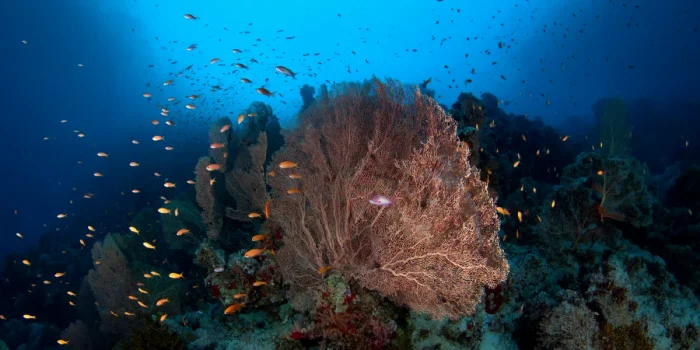
Coral reefs are among the most diverse ecosystems on Earth. Often called the “rainforests of the sea,” they support marine biodiversity, protect coastlines, and provide food and income for millions of people worldwide. Today, however, Coral Reef Survival is under growing threat as climate change, ocean warming, pollution, and destructive human activity transform marine ecosystems faster than many scientists predicted.
World Reef Awareness Day highlights the urgent need to protect coral ecosystems before irreversible damage occurs. Across the globe, reefs are experiencing severe bleaching events, declining biodiversity, and habitat collapse as ocean temperatures continue to rise. Scientists now warn that many coral systems could disappear within this century if current environmental trends continue.
Can Coral Reef Survival still be possible in oceans changing faster than marine ecosystems can adapt?
Coral Reef Survival in a Changing Ocean
Climate change has become the greatest threat to coral reef ecosystems. Rising ocean temperatures place coral species under severe stress, often leading to coral bleaching.
Bleaching occurs when corals expel the algae that provide them with energy and colour. Without these algae, coral reefs become weakened and more vulnerable to disease and death.
Research shows that repeated marine heatwaves are increasing bleaching events worldwide [1]. Scientists warn that continued warming may destroy large portions of global reef systems during this century if emissions are not reduced.
The Biodiversity Hidden Beneath the Waves
Coral reefs support nearly one-quarter of all marine species despite covering only a small portion of the ocean floor. Fish, sea turtles, crustaceans, and countless marine organisms depend on reefs for food, shelter, and reproduction.
Scientific evidence demonstrates that biodiversity is essential for maintaining ecosystem resilience and environmental stability [2]. When reefs decline, entire marine food webs may also become destabilised.
Healthy reefs also support fisheries and coastal economies that millions of people rely on for survival.
Pollution Is Accelerating Reef Decline
Pollution is placing additional pressure on already vulnerable reef ecosystems. Plastic waste, agricultural runoff, oil contamination, and untreated wastewater contribute to declining water quality and coral stress.
Overfishing and destructive tourism practices also damage reef habitats and reduce marine biodiversity. Physical contact from boats, anchors, and divers may further weaken fragile coral structures.
Marine researchers continue to document how human activity accelerates reef degradation and ecosystem instability [3]. Reducing pollution and supporting sustainable marine practices are critical for long-term reef survival.
Why Coral Reefs Matter to Human Survival
Coral reefs provide natural protection for coastlines by reducing wave energy and limiting coastal erosion. Healthy reef systems help shield coastal communities from storms, flooding, and rising sea levels.
Studies suggest that coral reefs significantly reduce the economic and environmental impacts of coastal disasters [4]. As climate change intensifies extreme weather events, the loss of reefs may increase vulnerability for millions of people living near coastlines.
Protecting reef ecosystems therefore supports both environmental and human resilience.
A One Health Perspective
The concept of Coral Reef Survival closely aligns with the One Health approach, which recognises the connection between environmental, animal, and human health.
Healthy reefs support biodiversity, fisheries, food security, tourism economies, and climate resilience. When reef ecosystems collapse, the effects extend across marine species, coastal communities, and environmental systems worldwide.
Integrated strategies that combine marine conservation, climate action, and pollution reduction are essential for protecting ocean ecosystems. One Health highlights that the future of human well-being is deeply connected to the health of marine environments.
Conclusion
Coral reefs have survived for millions of years, supporting some of the richest ecosystems on the planet. Today, however, climate change and environmental degradation are placing their future at serious risk.
Ocean warming, pollution, biodiversity loss, and habitat destruction are reshaping marine ecosystems at an alarming pace. Yet scientific research, conservation efforts, and global awareness campaigns continue to provide hope for protecting these extraordinary underwater worlds.
World Reef Awareness Day reminds us that the future of Coral Reef Survival may ultimately determine the future health of the oceans themselves.
References
- Hughes, T.P. et al., 2017. Global warming and recurrent mass bleaching of corals. Nature, 543, pp.373–377.
https://doi.org/10.1038/nature21707 - Cardinale, B.J. et al., 2012. Biodiversity loss and its impact on humanity. Nature, 486, pp.59–67.
https://doi.org/10.1038/nature11148 - NOAA, 2024. Coral Reef Conservation Program.
https://coralreef.noaa.gov/ - Ferrario, F. et al., 2014. The effectiveness of coral reefs for coastal hazard risk reduction and adaptation. Nature Communications, 5, p.3794.
https://doi.org/10.1038/ncomms4794