
A San Francisco sexual health clinic significantly reduced rates of bacterial sexually transmitted
infections (STIs) among patients by preemptively prescribing the antibiotic doxycycline for use
after unprotected sex (DoxyPEP).
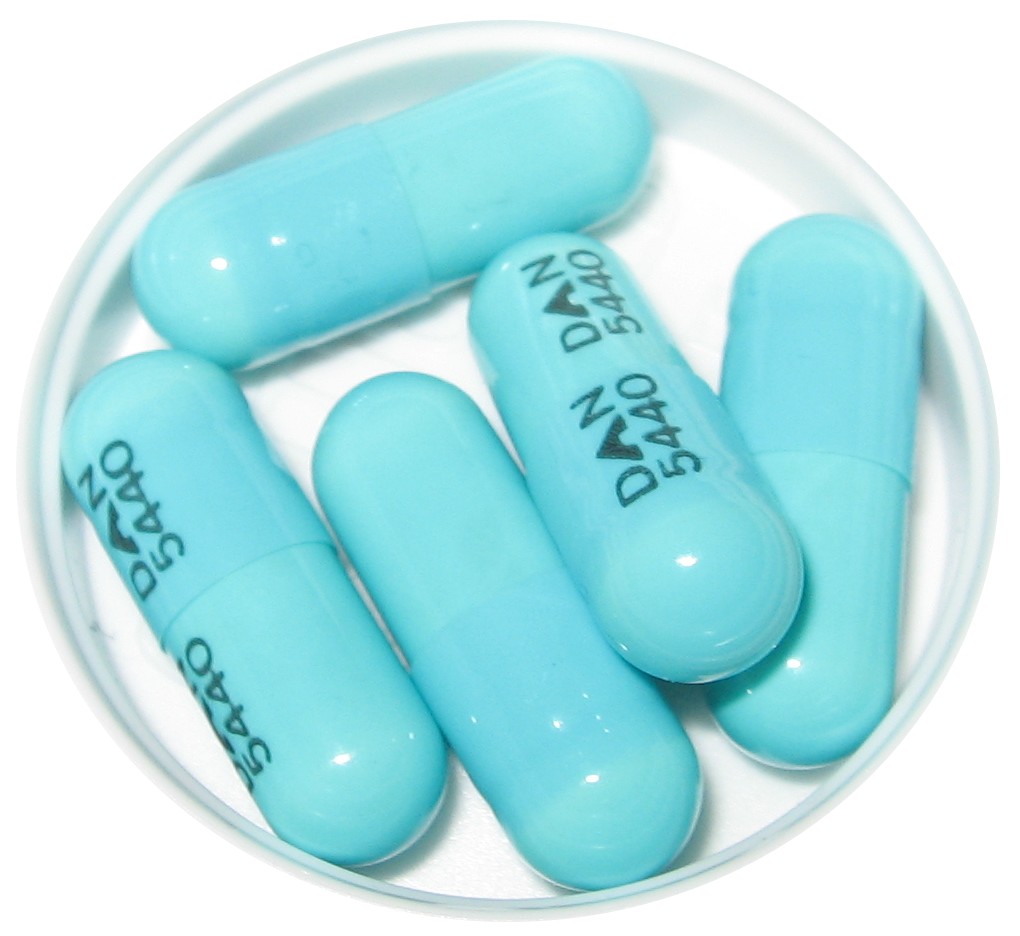
The study, which appeared in the August edition of the journal Sexually Transmitted Infections, focused on patients who take pre-exposure prophylaxis (PrEP), a medication that protects HIV-negative people from contracting the virus.
People who take PrEP tend to be at greater risk of contracting bacterial STIs, and researchers found that, among these patients, DoxyPEP (post-exposure prophylaxis) reduced the rate of new infections by 58%.
While randomized clinical trials of DoxyPEP have produced similar results, this study was among the first to test the intervention in a real-world setting.
Big success reducing syphilis, chlamydia, but not gonorrhea
All PrEP clients at the San Francisco AIDS Foundation Sexual Health Clinic have quarterly HIV and bacterial STI screening. As part of that routine care, the clinic began offering DoxyPEP to anyone who takes PrEP in November 2022. DoxyPEP is prescribed for use within 72 hours of unprotected sex.
Among the 1,209 PrEP patients who opted to take DoxyPEP, there was a 78% reduction of syphilis cases and a 67% reduction in chlamydia.
Interestingly, the study found no significant decline in gonorrhea. Researchers theorize that
might be because the prophylactic window for this bacterial infection is smaller, with patients
needing to take doxycycline in less than 24 hours after condomless sex. Other studies have suggested rising levels of tetracycline-resistant gonorrhea may limit its effectiveness.
The study acknowledges that since the analysis was done at a single clinic its results “may have
limited generalisability to other non-sexual health-focused clinics or in different geographic
regions.”
Also, researchers did not measure antimicrobial resistance, a growing public health concern in
which overuse of antibiotics threatens the effectiveness of these medications.
- Africa Centres for Disease Control and Prevention’S Director-General Jean Kaseya, MD, has written a letter to U.S. Health Secretary Robert F. Kennedy, asking him to lift travel restrictions on Uganda. It has been one month since Uganda saw a new Ebola case, and five days since the last Ebola patient in that country was discharged. Uganda had tracked 20 Ebola cases and two deaths in the current outbreak. :It’s time today to lift the status (travel restrictions), and then we’ll continue to support DRC on the challenge they are facing,” Kaseya said. Uganda has argued travel restrictions have unnecessarily punished the nation’s economy. According to BNO News, the outbreak in neighboring Democratic of the Congo continues to grow, with 2,444 cases and 969 deaths.
- Pennsylvania has launched a new dashboard to track the nation’s faster growing measles outbreak. The state has seen 114 cases since May, and 10 new cases during the last week. Twenty-one people have been hospitalized due to the virus. In other measles news, the Delaware Division of Public Health said Kent County has recorded the state’s first measles case in more than 10 years, in an unvaccinated adult.
- Two more Texas counties near the US-Mexico border have detected New World Screwworm (NWS) in animals, according to a new update yesterday from the United States Department of Agriculture. Both Schleicher and Starr counties documented the infection in sheep and cattle, respectively. The US has now detected infections from the parasitic fly in 41 animals since June 1. All but one detection has been in Texas, with a single detection recorded in New Mexico.