Introduction
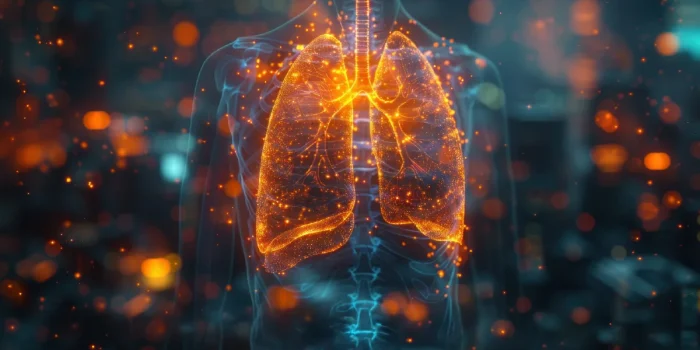
The human body hosts trillions of microorganisms that influence digestion, immunity, metabolism, and overall health. Scientists have long studied the gut microbiome. However, they are now discovering that microbial communities in other parts of the body also play important roles in disease development. New research into Lung Microbiome and Fibrosis is helping scientists better understand how these microbial communities may influence chronic lung disease and tissue scarring.
One area receiving growing attention is the lung microbiome. Scientists once believed the lungs were largely sterile. Today, they know the lungs contain diverse microbial populations that interact closely with the immune system. Recent research suggests these microbial communities may contribute to idiopathic pulmonary fibrosis (IPF), a serious disease characterized by progressive scarring of lung tissue [1].
Could understanding the relationship between microbes and lung health lead to new approaches for treating chronic respiratory diseases?
Understanding Idiopathic Pulmonary Fibrosis
Idiopathic pulmonary fibrosis is a progressive disease in which lung tissue becomes thickened and scarred over time. As scarring increases, the lungs become less able to transfer oxygen into the bloodstream. As a result, people experience breathing difficulties, reduced physical activity, and declining quality of life.
Researchers have identified several risk factors for IPF. However, the exact cause remains unknown. Current evidence suggests that genetics, environmental exposures, immune responses, and repeated lung injury all contribute to disease development [2].
Available treatments can slow disease progression, but they cannot stop or reverse the scarring. Therefore, scientists continue searching for new biological pathways that may offer better treatment options.
Lung Microbiome and Fibrosis Connection
Recent research has identified a potential genetic link between the lung microbiome and fibrosis development. Scientists found that mice carrying a mutation in a gene called Toll-like receptor 5 (TLR5) were more susceptible to fibrosis than mice without the mutation [1].
TLR5 helps the immune system recognize bacterial components and regulate immune responses after lung injury. When this pathway is disrupted, harmful bacterial populations may grow unchecked. Consequently, inflammation and tissue damage may increase.
Researchers also discovered that activating the TLR5 pathway reduced fibrosis in experimental models. These findings suggest that microbial interactions may directly influence disease progression [1].
Together, these discoveries provide growing evidence that the balance of bacteria within the lungs plays a much larger role in respiratory health than previously understood.
Why the Microbiome Matters
The microbiome influences immune function throughout the body. Beneficial microbes help regulate inflammation, while imbalances in microbial communities can contribute to disease.
Previous studies have shown that people with IPF often have altered lung microbial populations compared with healthy individuals [3]. Some researchers believe these microbial changes worsen lung injury by promoting chronic inflammation and abnormal tissue repair.
Furthermore, understanding how bacteria interact with immune pathways could help scientists develop new methods for preventing or slowing fibrosis progression.
A One Health Perspective
The concept of Lung Microbiome and Fibrosis aligns closely with the One Health approach because microbial ecosystems connect human health with broader environmental factors.
People constantly encounter microorganisms through air, water, animals, workplaces, and natural environments. Environmental conditions influence microbial communities both outside and inside the body. For example, air pollution, occupational exposures, smoking, and environmental contaminants have all been associated with changes in respiratory health and may alter the lung microbiome [4].
A One Health perspective encourages researchers to examine how environmental exposures, microbial ecology, and human biology interact to influence disease risk. Ultimately, understanding these connections may improve prevention strategies while supporting healthier environments and communities.
Conclusion
The discovery of a potential link between the lung microbiome and idiopathic pulmonary fibrosis offers a promising new direction for respiratory disease research. Rather than viewing fibrosis solely as a consequence of injury or genetics, scientists increasingly recognize the important role microbial communities may play in disease progression.
As researchers continue investigating Lung Microbiome and Fibrosis, new opportunities may emerge for earlier diagnosis, improved prevention, and more effective treatments. The findings also reinforce an important One Health principle: human health is closely connected to the microscopic ecosystems that exist both within us and around us.
References
- Han, M.K., Zhou, Y., Murray, S. et al., 2014. Lung microbiome and disease progression in idiopathic pulmonary fibrosis: an analysis of the COMET study. The Lancet Respiratory Medicine, 2(7), pp.548–556. https://doi.org/10.1016/S2213-2600(14)70069-4
- Raghu, G., Remy-Jardin, M., Myers, J.L. et al., 2018. Diagnosis of Idiopathic Pulmonary Fibrosis. American Journal of Respiratory and Critical Care Medicine, 198(5), pp.e44–e68.
https://doi.org/10.1164/rccm.201807-1255ST - Molyneaux, P.L., Cox, M.J., Willis-Owen, S.A.G. et al., 2014. The role of bacteria in the pathogenesis and progression of idiopathic pulmonary fibrosis. American Journal of Respiratory and Critical Care Medicine, 190(8), pp.906–913.
https://doi.org/10.1164/rccm.201403-0541OC - World Health Organization (WHO), 2024. Ambient Air Pollution and Health. Available at:
https://www.who.int/news-room/fact-sheets/detail/ambient-(outdoor)-air-quality-and-health